








I can’t believe the difference in my hearing, I’m glad I went ahead with this. It has made a big difference at work, especially in large meetings.
When you should see an audiologist



When you should see an audiologist
What To Know About Ear Wax Removal
990 Paradise Rd
Suite 3A
Swampscott, MA
01907

2 First Ave
Suite 127-1
Peabody, MA
01960

Could the ear be a window to the heart?
Dementia risk may be up to 5x higher with hearing loss
Hearing loss 2x as likely for those with diabetes
Symptoms go down, quality of life goes up with hearing aid use
Hearing loss is tied to a 3-fold increase in the risk of falling
Moderate CKD associated with 43% increased risk of hearing loss
32% more likely for older adults with hearing loss
Our goal is to provide the best possible hearing care based upon your individual needs.
Self-referral is a direct path to Audiology for hearing evaluation and, if necessary, National Health Service hearing aids. You do not need to see any other health care professional before seeing an audiologist if you use self referral. In general, you can refer yourself to an audiologist, but if you want to acquire insurance through third-party payers, you must get a recommendation from a doctor.
Currently, all diagnostic audiological treatments paid by Medicare require a physician referral, with the purpose of testing as the major factor affecting payment. Medicare covers medically acceptable and required therapies for a patient’s diagnosis and treatment. For each treatment charged, the clinician must indicate in the medical record the specific sign, symptom, or complaint that requires the service.
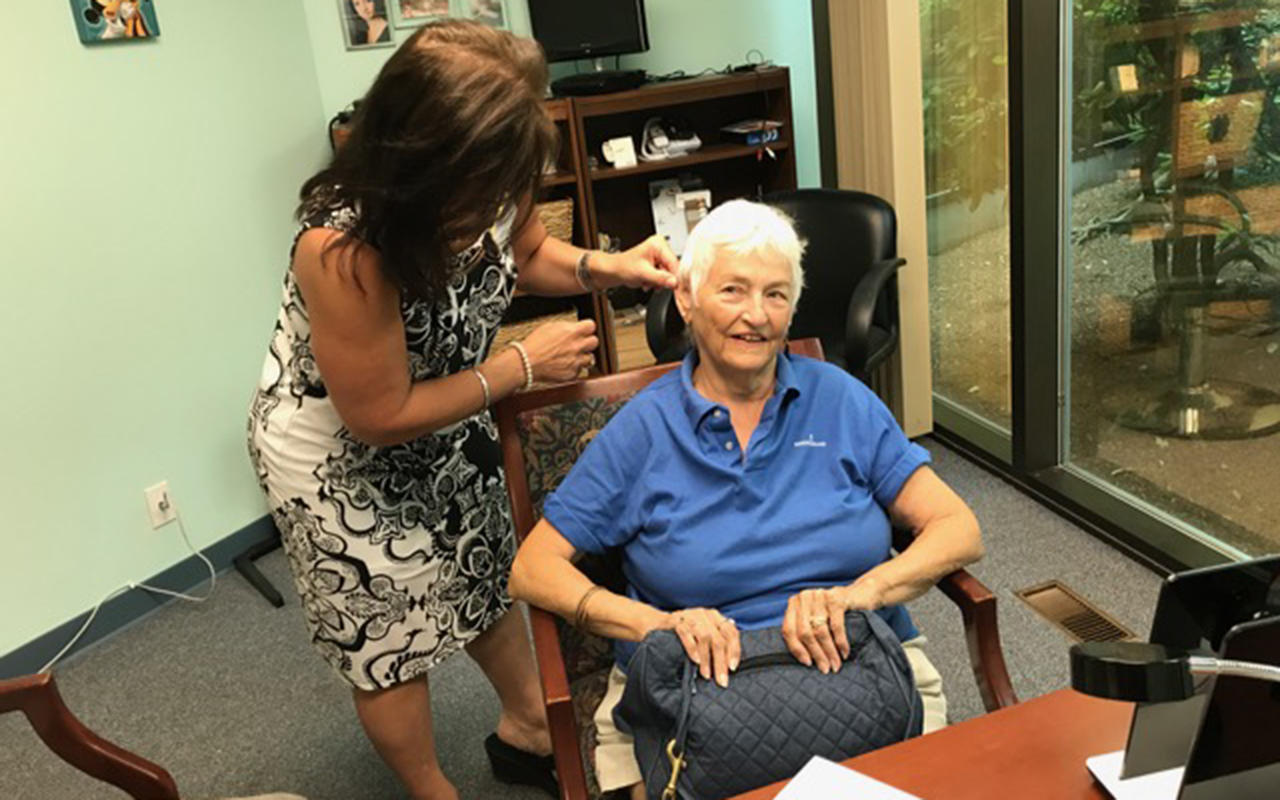
A hearing aid specialist can examine your hearing and fit you with a hearing aid. Audiologists can assess and diagnose a larger range of hearing and balance problems. Audiologists are the medical specialists in charge of diagnosing the root cause of hearing loss since they are concerned with the pathophysiology of hearing loss. An HIS, on the other hand, is exclusively concerned in doing hearing tests and fitting hearing aids.
Hearing aid dispensers (HADs) are fully licensed experts who test hearing and provide aftercare for hearing aids. Hearing aid dispensers must be qualified and apply for a license in order to use hearing technology. Audiologists can assess and diagnose a larger range of hearing and balance problems. An audiologist may be more suited for more medically related services such as balance issues, earwax impactions, and noise-induced hearing loss. Both professionals may do hearing aid maintenance, cleaning, and repairs, as well as fitting and adjusting.
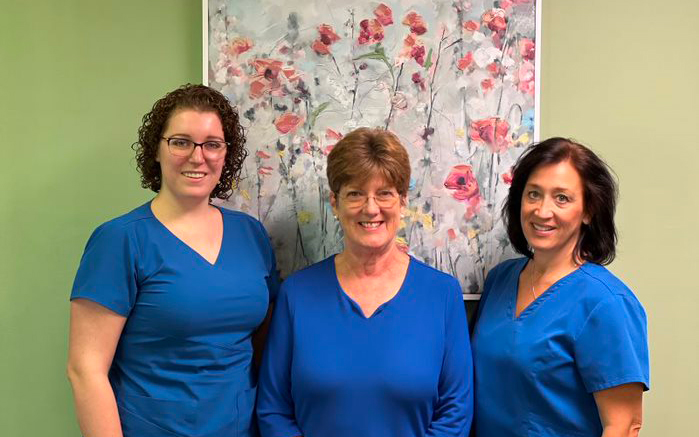
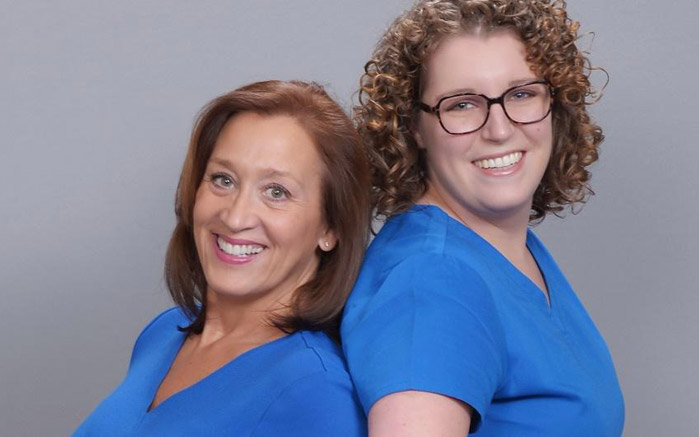
If you think that you or a family member may be exhibiting any of the symptoms above, give us a visit at Atlantic Hearing Care Massachusetts and have your hearing checked by a professional.
I can’t believe the difference in my hearing, I’m glad I went ahead with this. It has made a big difference at work, especially in large meetings.
These are my fourth set of hearing aids. These have been amazing, really. Using the streamer for the phone is incredibly helpful to me.
My hearing aids were a big investment but also the best purchase I ever made!
Dr. McCormack is a unique medical specialist. She finds joy and satisfaction in helping people to hear well. She’s patient with teaching people how to master the hearing aids and batteries. Her pleasant demeanor is medicine unto itself.
I have been a customer of Atlantic Hearing Care for over five years. They have taken very good care of me. Dr. McCormack and her employees are helpful, patient and most of all, very caring.
The service provided at Atlantic Hearing is beyond excellent. The knowledge, experience and one-on- one contact is unsurpassed. Keep up your wonderful work!
My hearing aids have changed my life. I can hold my own in conversations for the first time in years, and I have stopped asking people to repeat what they said. I wish I had done this years ago!
My children notice a big improvement. I don’t say ‘what?’ all the time! I understand what’s going on all the time. I have Alzheimer’s Disease in my family, and I read that hearing loss can be a contributing factor and they help me stay connected. I am very happy and so are my children.
Atlantic Hearing Care was a wonderful experience for me. I was able to see, feel and try on different types of hearing aids. I felt I was making an informed decision, a chance I did not have at another place where I did not get to try on the aids before ordering. I love them, I forget I have them on.